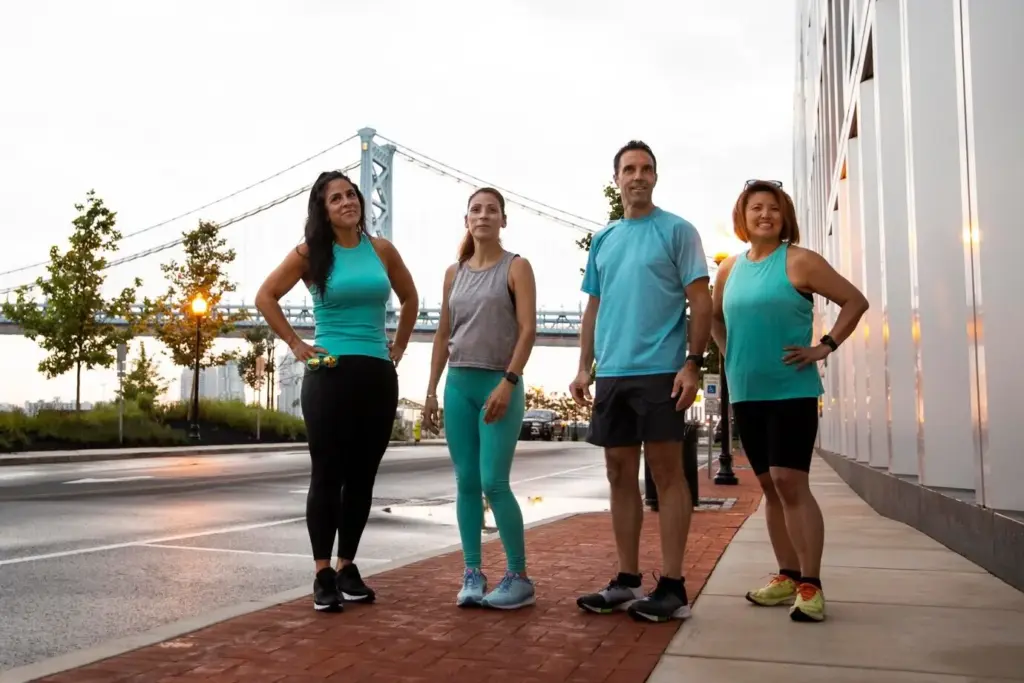
Run Together: Welcoming 5K Journeys Across the City

Today we’re diving into inclusive 5K programs designed for youth and brand‑new runners across bustling metropolitan areas, showing how safe guidance, friendly pacing, and community support can transform crowded streets into accessible pathways for confidence, joy, and lasting wellbeing. Expect practical tips, real stories, and invitations to participate, ask questions, and share your first courageous steps.

Getting Started Without Fear

Beginning can feel intimidating, especially among skyscrapers, traffic, and seasoned joggers who seem to glide past. This guide helps first‑timers breathe, slow down, and discover simple routines that fit busy city schedules. You will learn realistic pacing, approachable routes, and how encouragement replaces pressure, allowing progress to blossom in small, sustaining steps.

Warm-Ups That Invite Everyone In

Use dynamic movements that are low‑impact, adaptable, and playful. Call out options rather than commands, so participants choose comfortable variations without stigma. Pair stretches with introductions, asking runners to share a fun fact or goal. Keep the circle open, literally and emotionally, so late arrivals can slip in without embarrassment or pressure.

Buddy Systems and Peer Mentors

Match newcomers with friendly mentors who remember names, pace gently, and normalize walking. Encourage mentors to send midweek check‑ins and share their early missteps to lower the bar for perfection. Rotate pairs periodically to broaden friendships, and invite teens to co‑lead drills, highlighting leadership growth as much as finishing times or distances.

Family and Guardian Engagement

Welcome caregivers with clear schedules, safety notes, and travel tips. Offer stroller‑friendly loops and sidelines where supporters can cheer. Provide short talks about hydration, sleep, and screen‑time balance, and invite questions. When families feel included, attendance steadies, encouragement multiplies, and young runners begin to believe city streets truly belong to them.

Sliding-Scale Registration and Scholarships

Publish clear fee ranges, discreet assistance forms, and simple qualifications. Partner with local sponsors and health clinics to underwrite shoes, transport cards, and race entries. Ensure staff training protects privacy and dignity, so asking for support feels ordinary and respected rather than risky, awkward, or isolating for youth and families.

Transit-Friendly Meetups and Start Lines

Choose locations near bus and rail hubs with accessible sidewalks, ramps, and real bathrooms. Share printable maps, QR codes, and landmarks, not just addresses. Start sessions five minutes after the hour to accommodate transfers, and station cheerful volunteers outside to guide newcomers from platforms, reducing navigational stress before the first warm‑up begins.

Adaptive Options for Diverse Abilities

Offer multiple pacing groups, chair‑friendly routes, rest benches, and sensory‑considerate segments with reduced noise. Train volunteers in respectful assistance and person‑first language. Provide visual schedules and clear cues. Invite participants to privately share access needs, then follow up consistently, demonstrating that inclusive promises are backed by thoughtful, reliable program practices.

Access for Every Neighborhood

Equity lives in details: registration costs, transit connections, adaptive pacing, and cultural comfort. We break down barriers that often keep beginners away, replacing gatekeeping with flexible options and human warmth. Transparent assistance, multilingual materials, and inclusive imagery help every participant recognize themselves, feel safe, and return with growing confidence each week.

Smart Training for New Runners

Rushing mileage invites injury; patience builds joy. This section outlines age‑appropriate progressions, playful strength work, and sustainable recovery tuned to busy urban lives. We include hydration basics, snack ideas near transit, and scheduling strategies that honor school workloads, part‑time jobs, and the simple need for downtime and enough sleep.

Race Day in the Big City

A first 5K can feel like navigating a festival: crowds, bibs, corrals, and finish‑line emotions. We demystify logistics, champion kindness over competition, and outline calm breathing cues. With clear expectations and supportive volunteers, new runners experience organization, possibility, and the electric joy of crossing alongside neighbors and friends.

Packet Pickup Without Stress

Share pickup hours, ID requirements, and transit directions ahead of time. Encourage arriving during quieter windows and checking bib timing chips with volunteers. Offer a group photo spot and a question table for beginners. Clear signage and smiles reduce anxiety, leaving energy for pacing, hydration, and that magical first start‑line moment.

Start Corrals, Pace Cards, and Breathing

Guide participants to choose a corral by comfortable pace, not ambition. Practice four‑count inhales and longer exhales while waiting. Start slower than planned for the first kilometer, avoid weaving, and thank course marshals. The body warms, confidence rises, and a steady rhythm carries runners past landmarks with growing, effortless composure.

Stories, Wins, and Next Steps

Personal narratives turn instructions into action. Read mini‑portraits of first finishes, joyful setbacks, and small rituals that kept city training alive through exams, part‑time jobs, and crowded commutes. Then consider your next gentle goal, and tell us how we can support, celebrate, and walk‑run beside you this season.
Notoxiruxefoxa
Privacy Overview

This website uses cookies so that we can provide you with the best user experience possible. Cookie information is stored in your browser and performs functions such as recognising you when you return to our website and helping our team to understand which sections of the website you find most interesting and useful.